
The building envelope is the physical shell that separates the inside of a building from the outside, and on a multi-family project it is the single system most responsible for comfort, durability and long-term cost. For developers and property owners in Kelowna and across the Okanagan, getting the envelope right is far cheaper than repairing it after occupancy. Understanding what it includes and how it is built helps you ask better questions long before the first wall goes up.
What the Building Envelope Includes
The envelope is made up of the roof, the exterior walls, the windows and doors, and the foundation and floor assemblies that touch the ground or open air. Each layer has a job: controlling water, air, heat and vapour. A wall is not simply a surface; it is an assembly that usually combines cladding, a drainage cavity, a weather-resistive barrier, sheathing, insulation, an air barrier and interior finishes.
The envelope works only when those layers connect without gaps. The weakest points are almost always the transitions, such as where a window meets a wall, where a balcony connects to the structure, or where the roof meets a parapet. Strong detailing at these junctions matters more than the price of any single material.
Why the Okanagan Climate Raises the Stakes
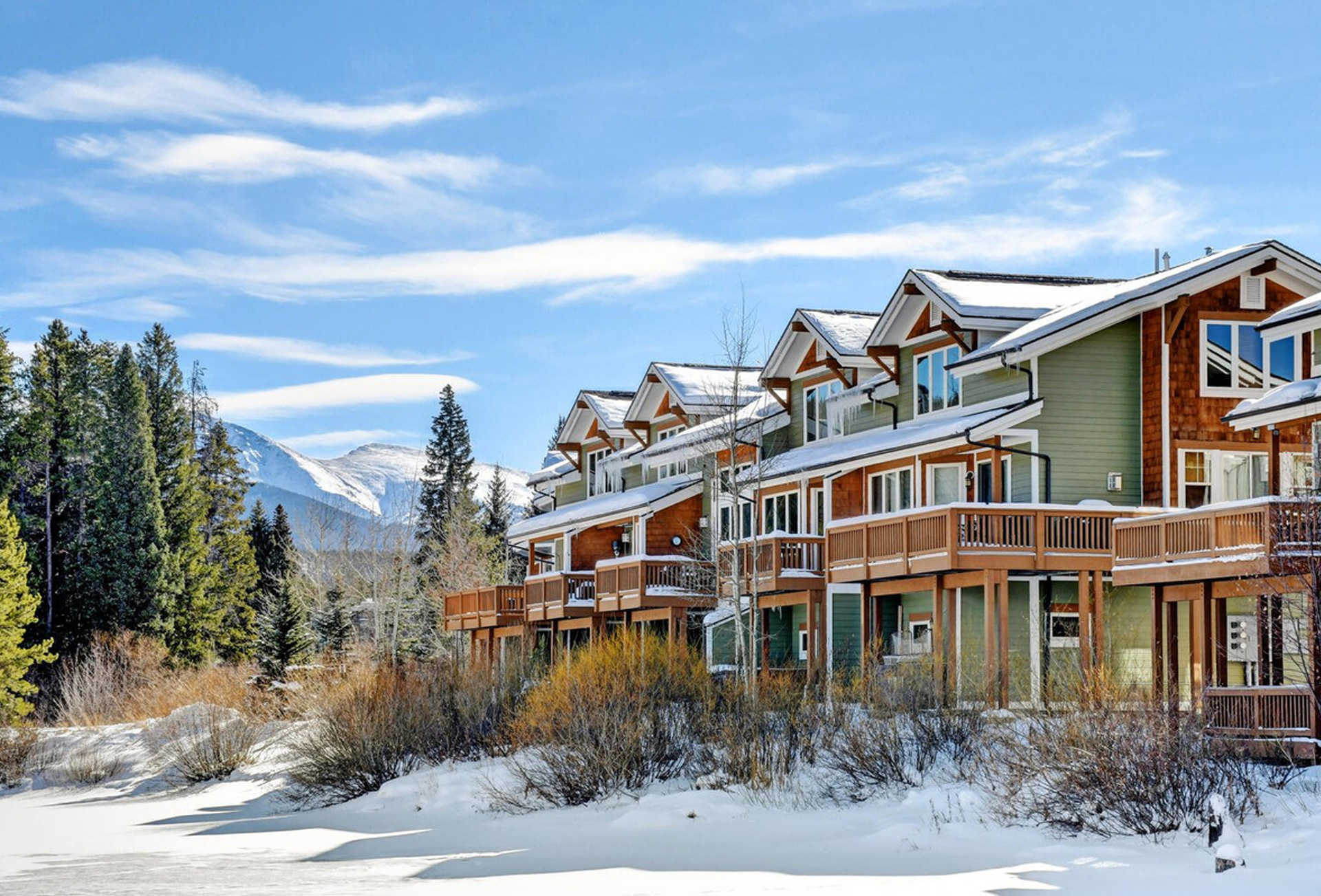
The Okanagan asks a lot of a building. Summers bring intense heat and sun exposure, winters bring freezing temperatures and snow loads, and spring and fall bring rain that can sit against walls for days. This swing in conditions means materials expand, contract and age quickly if the assembly is not designed for the region.
Multi-family buildings are especially exposed because they have more balconies, decks and wall penetrations than a single detached home. Every one of those features is a potential path for water. A building that looks finished and sound on the day of handover can still develop hidden moisture problems within a few seasons if the envelope was poorly executed. Early involvement from the construction manager during design helps catch these vulnerable details while changes are still inexpensive.
Moisture Control and the Rainscreen Approach
Water intrusion is the most common and most expensive envelope failure in British Columbia. Modern practice relies on the rainscreen principle, which places a ventilated drainage cavity behind the cladding so that any water that gets past the outer surface can drain and dry instead of soaking into the structure. Flashings, sealants and membranes are then layered so that water is always directed outward.
Quality here depends heavily on sequencing and inspection. Membranes and flashings are covered quickly by cladding, so a mistake that is not caught during installation becomes invisible. Photographic records, mock-ups and in-progress reviews by an envelope consultant are the best way to confirm the work is right before it is hidden.
Energy Performance and Code Requirements
The envelope also drives how much energy a building uses for heating and cooling. Better insulation, continuous air barriers and well-rated windows reduce operating costs for owners and tenants alike. These choices are tied directly to provincial requirements, and our guide to the BC Energy Step Code for multi-family construction explains how performance targets shape the design of walls, windows and airtightness.
Higher performance levels typically call for tighter construction and fewer thermal bridges, which raises the importance of coordination between the architect, envelope consultant and trades. Decisions made early in design are far less costly than changes made once framing has started.
Managing Envelope Risk on Your Project
Envelope defects are a leading source of warranty claims and disputes on residential buildings, so they deserve deliberate attention in your overall construction risk management plan. That means clear specifications, qualified installers, third-party review and documented testing for items such as window water penetration. Owners who treat the envelope as a priority item rather than a line in the budget see fewer surprises after occupancy. It also helps to plan for maintenance, since sealants, flashings and coatings have a service life and need periodic inspection. A simple maintenance schedule handed over at closeout can extend the life of the building and protect resale value for the owner.
How Team Construction Approaches Building Envelope Construction
On every multi-family project we manage, we build envelope review points into the schedule, coordinate closely with consultants and inspect critical details before they are covered. Talk to our team about how a disciplined envelope process can protect your investment: contact Team Construction today.