
Every owner wants the building they designed at a price they can finance, and value engineering is the discipline that makes those two goals meet. Value engineering is a structured review of a project’s design, materials and methods to find ways of delivering the same function and quality at a lower cost. For developers and property owners in Kelowna and across the Okanagan, it is one of the most effective tools for keeping a commercial project on budget without sacrificing the things that matter.

What Value Engineering Actually Means
Value engineering is often confused with cutting costs, but the two are not the same. Cost cutting removes scope and accepts a weaker result. Value engineering asks what each element of the building is meant to do, then looks for a smarter way to do it. A cladding system, a structural grid or a mechanical layout might be replaced with an alternative that performs equally well, lasts as long and costs less to buy or install.
The process works best as a team exercise. The owner, the designers, the construction manager and key trades each see the project differently, and the best ideas usually come from the gaps between those views. A framing contractor may know that a small change to a floor-to-floor height saves weeks of work, while an engineer may know that a different beam arrangement removes an entire material order.
When to Start Value Engineering
Timing decides how much value engineering can deliver. The earlier it begins, the more freedom the team has and the lower the cost of making a change. At schematic design, a decision to simplify a building footprint can save a great deal at almost no penalty. Once permit drawings are issued, the same idea may require redesign fees, re-approvals and delay.
This is why value engineering belongs alongside construction cost estimating, with each estimate at each design stage feeding a round of questions about where the money is going. When an estimate comes in above target, the team can see which systems drive the gap and focus its effort there rather than trimming at random.
Where the Savings Are Usually Found
On commercial and multi-family buildings in the Okanagan, the largest opportunities tend to sit in a few places. The structure and building envelope typically represent the biggest share of cost, so small refinements there carry real weight. Mechanical and electrical systems are another common area, since equipment selection and routing can often be simplified without affecting comfort or performance. Site work matters too, particularly on sloped lots where grading and retaining walls can be reduced by adjusting the building position.
Finishes offer flexibility, but they also carry risk. Choosing a lower grade of material for a high-traffic lobby may look attractive on paper and prove expensive in maintenance. A good review looks at lifecycle cost as well as first cost, and it is willing to spend more up front where that protects the owner over twenty years.
Getting the Process Right
A disciplined value engineering exercise has clear rules. Every proposal is documented with its cost impact, its effect on schedule and its effect on quality or performance, so that the owner can accept or reject it with full information. Ideas that reduce cost but compromise safety, code compliance or core function are set aside immediately. Savings that are accepted are tracked against the budget so that the benefit is real rather than assumed.
It also helps to involve the builder early. Owners who invest in pre-construction services gain access to current trade pricing and constructability advice while the design can still change, which turns value engineering from a rescue effort into a planned part of the project.
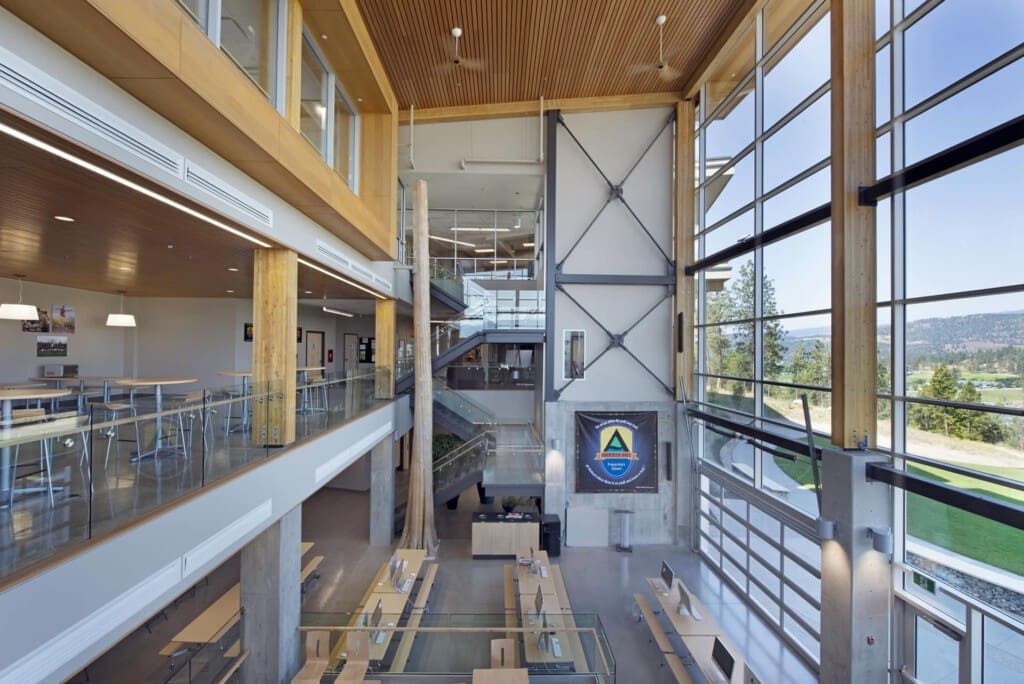
The delivery model matters as well. A construction manager works for the owner and has no incentive to protect a margin by resisting savings, which is one reason owners ask how a construction manager differs from a general contractor before choosing who will lead the process.
How Team Construction Approaches Value Engineering
At Team Construction, we bring value engineering into the TEAM Process from the earliest design stage, pricing alternatives openly so owners can see the cost and the trade-off behind every recommendation. Our goal is a building that delivers its full intended function at the best possible value, with no surprises along the way. Contact our team to discuss how value engineering can protect the budget on your next project.